


At a glance
Source: “New Communities, Inc.,” motive magazine, April–May 1971, pages 68–75
Interviewer: Ed Feaver, an organizer with New Communities Inc.
Speakers: Minnie Daniels, Robert O. Christian, Robert McClary, Mrs. Lovette, Mrs. Sneed, Mrs. Barney, Rose Merry Mack, Dolly Washington and Mr. Lockett
Original: View the magazine pages (PDF)
Transcribed from the original magazine pages. The speakers’ words, spelling and punctuation are reproduced as printed in 1971.
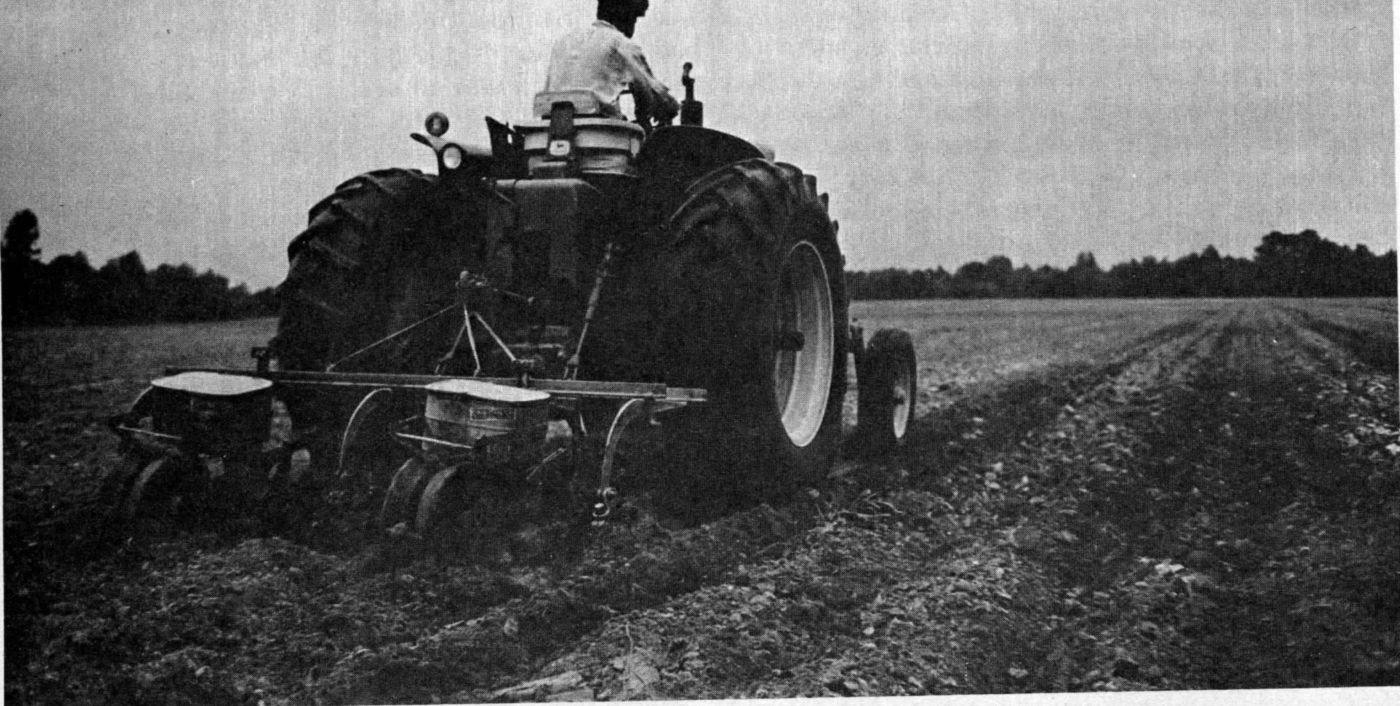
In Southwest Georgia there are 5,735 acres of land between Leesburg and Smithville that represents hope to nearly all Black residents of Lee County. The land which belongs to New Communities, Inc. (NCI) consists mostly of farming land, with timber, pecan trees and some swamp. During Reconstruction, most of this land probably belonged to Black farmers, but eventually it ended up back in White hands. The people of NCI are trying to reverse that trend and at the same time try to stop the flow of Blacks from Southwest Georgia into northern ghettos.
Several years ago Charles Sherrod, who came to Southwest Georgia with SNCC in 1960, and six others went to Israel to study the Kibbutz system. They returned with a vision about building something out of nothing. They did not want to transfer the Kibbutz to the Black Belt of Georgia, but to build a community based on land. First they acquired 935 acres and later added 4,800 more. The land is to be worked and owned by the community which will hold it in perpetual trust. It will never be sold only leased. The income from the land and any other small industry that grows up around the community will be put to the best use the community decides upon. Each member will have a voice in that decision.
At the present time, only farm workers live on the land, but NCI with a contract with the Foundation for Cooperative Housing will soon be building 102 housing units. There are between 300-500 families waiting for such housing. Several of those people, both farm workers and those waiting were recently interviewed by Ed Feaver, a NCI organizer, for motive. These are the people who talk about 5,735 acres of pride:
The people interviewed
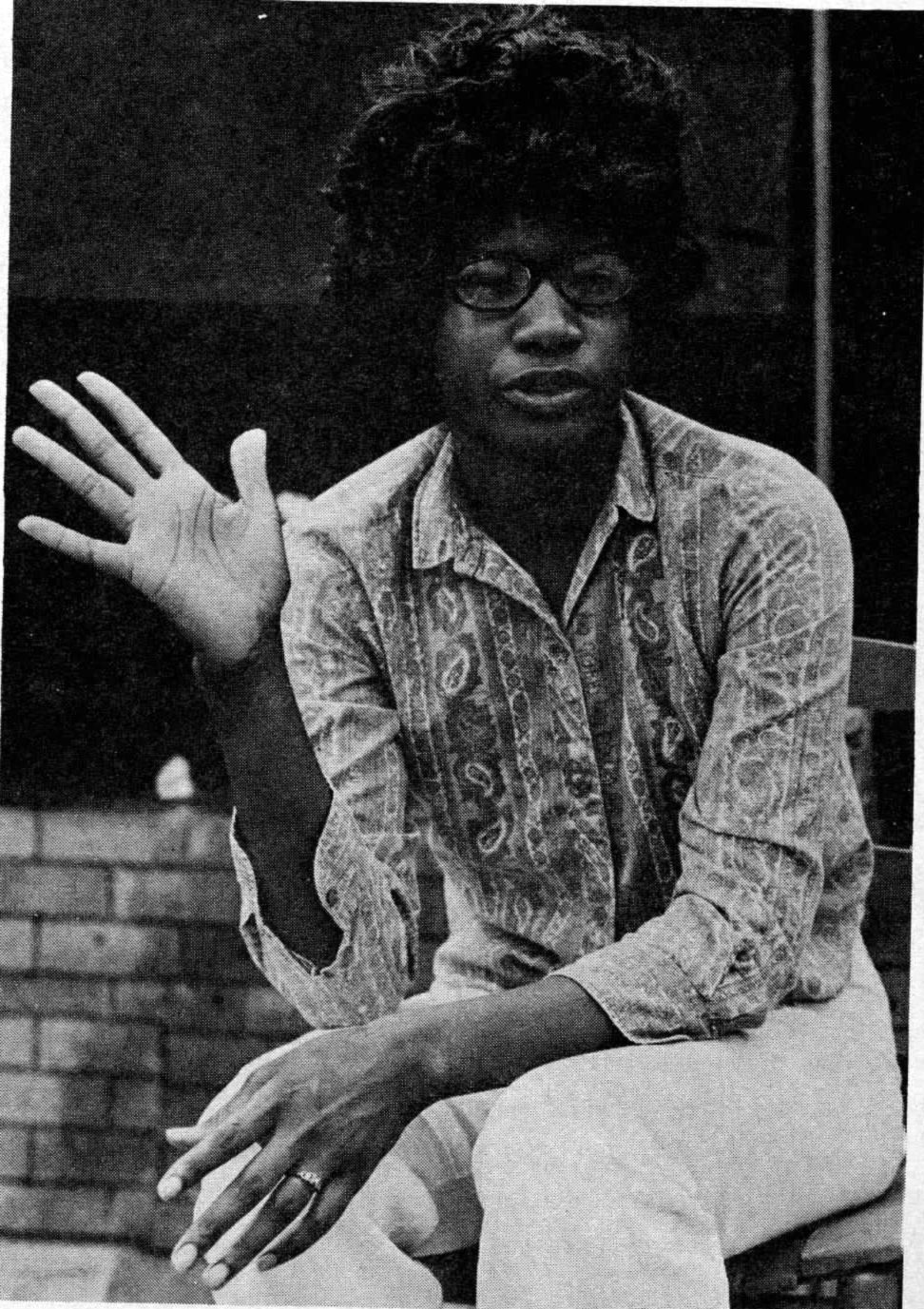
Mrs. Minnie Daniels is a citizen of Lee County. She has worked in the fields and white folks kitchens all of her life. When New Communities began, she became one of the community organizers and is now a major force behind the establishment of the day care center.
Mr. Robert O. Christian is a citizen of Albany, Ga. He is one of the local members of the NCI Board of Directors and is chairman of the NCI farm committee.
Mr. Robert McClary is a citizen of Warwick, Georgia. He is a member of the NCI Board of Directors and a staff member of the Southwest Georgia Project for Community Education. He is now a student at Albany State College engaged in learning economics in order to help the Project and NCI when he graduates.
Mrs. Lovette is also a citizen of Lee County, Ga. She has worked all of her life on the farm or in white folks kitchens. And is now employed as a maid, working for $25 a week (40 hours).
Mrs. Sneed is a citizen of Lee Co., Georgia. She is the wife of one of the farm workers on NCI, and hopes to be able to help NCI with accounting and office work.
Mrs. Barney is a citizen of Lee County, Georgia. She is a member of the industrial committee for New Communities and works in the one industry in the County. She is one of the potential settlers on NCI.
Mrs. Rose Merry Mack is a citizen of Lee County, Ga. She is a member of the NCI education committee and a member of the Southwest Georgia Project for Community Education. She has also been a community organizer for NCI.
Mrs. Dolly Washington is a citizen of Leesburg, Georgia. She is 65 years old and has spent all of her life on the farm until she became disabled.
Questions in this interview
- What does New Communities mean to you?
- Who is involved in New Communities now?
- Is it important to have a large piece of land? Why is land important?
- What are some of the things that you are doing now to make New Communities a reality?
- Is the day care center one of the things that is needed immediately?
- What are some other things that are needed to help New Communities grow?
- What are some of the social-economic ideas that New Communities has?
- Is there a difference between a person owning a home and a small piece of land, and a person living on New Communities?
- Who will govern or control New Communities once it gets going?
- There has been opposition to New Communities from some people. What are some of the reasons for this opposition?
The interview
What does New Communities mean to you?
Mrs. Daniels: New Communities is a wonderful idea if we can get it off the ground because most of the peoples have moved from the country to the town lookin for jobs and that causes the problems of slums and poverty in the city areas. If they had more jobs and better places to live, more people would live in the rural areas. I think New Communities would be a big help to Lee County which has been economically down for the last 15 years.
Mr. Christian: I feel that New Communities is real important because of the effect it will have not only on this area but on surrounding areas in terms of makin it possible for poor people to have something of their own in terms of land, the possibility of homes and other things of importance in a person’s life. I also feel that the farm is real important as a venture because the farm is one thing that people know about. People in this area are certainly farmers because of geographical location. We feel that farming is what we are going to need, because farming is the thing that we are going to have to rely on as the part of the program which will sustain life for people on New Communities. At this time we are doing the regular row crop farming, and this in itself provides jobs for some of the present settlers. We are in our second year of farming with our row crops, and we are hoping to expand and possibly go into vegetable farming. Farming is part of an overall picture for New Communities.
Robert McClary: I think New Communities means a new start for Black people. It is very important in that it goes back to the basics of land. If you start with land, then you make a completely new start. I think this is something Black people have not had, free land. New Communities has so much land that it is hard to imagine the effect that it would have on Black people in this area, economically and psychologically. This is something physical. We have not seen any physical rewards for our efforts. We have been able to sit with white people, a few people have been able to get jobs, we have been able to go into the cafes with white people and eat together, this integration thing in the schools, but, New Communities offers the kind of freedom that we have not had. This is a section of land to be controlled by Black people, and they can go out there and do pretty much their own thing and feel at home.
Mrs. Lovette: I just loves New Communities. It means a lots to me. I am hopin some day it will be a wonderful place where all of us can have somewhere to stay if we want to. New Communities is a place, a lot of land, that we can go up there and we can feel free.
Mrs. Sneed: New Communities is comin off to be a real nice place for all the people that don’t like to be up under white folks and their cursin and goin on. Under white folks, the people doesn’t have good houses, a lot of peoples would like to take their kids to the clinic, but when they are workin for white folks, they can’t get off when they want to. I think New Communities will keep a lot of the children from havin all kinds of diseases because they see to the medical bills and everything.
Mrs. Barney: New Communities means a place for poor people to have a job, and better housing—something they have never had—and maybe our children will have a better opportunity than we had when we was growin up. Now, our young people have to leave to get a job because there ain’t nothin in Lee County to do. Its a lot of young people now that write back home and ask when will we be able to have jobs. They are willin to come back to work and raise their families.
Mrs. Mack: New Communities means so much because poor people have never had the privilege to say what they want and that be done. They have never had the privilege to have some land and some business that they can have something to say about, right or wrong.
Mrs. Washington: I think New Communities is great and I’m sure we need it. I never owned a piece of land in my life. Its just so many peoples done left the farm. We need something to bring peoples back out the cities, back to the farm, or we gonna keep on goin till people can’t live. All the livin and things come from the farm, and, therefore, if we don’t get some folks back on the farm and caring for some of this land, something bad gonna happen. All the people thats crowded up in the cities, the inner city, the ghetto, talkin about the ghetto and all that stuff. No sence to talkin about fixin up the ghetto; fix up the country and get these folkes out of the ghetto, back in the country on the farm and raisin something to live on. Give peoples a chance to make their own livin and you wouldn’t have no idea how a change would be made. But as long as people just leaving the country, piling up in the ghetto . . . they ain’t got nothin to live on, and there they go to the government, to the welfare. They could fix a way for em to come back to the country, wouldn’t need no welfare.
Do you know, there’s all this land, just one man, just this one man, just a human, one man owin thousands and thousands of acres of land just layin out doing nothin. I seen a time when the man lived right up there, all you could see from here way yonder was tended land. All everywhere you could go out in the country was crowded with peoples farming and makin their own livin. Now, everybody most got to get on the welfare. I mean, cause they done cut out the farm! … That new community is really needed.
Who is involved in New Communities now?
Robert McClary: All kinds of people are involved, young, old, white and black. It will be a new opportunity for all of us. You know that we never turn away our old people; we like to keep our old people with us.
Is it important to have a large piece of land? Why is land important?
Mrs. Daniels: The land is important because its a source of income. If you’ve got a house and a place for a garden and a place for the kids to play in, and a place to have a pig, this is very important for the economy of the people concerned.
Mr. Christian: I think it is important to have a large piece of land for several reasons: land is something that we haven’t had in this part in such large quantity; with land you can do many things that you haven’t been able to do before—this is to say that you can develop the land into that type of program that you would like to see on the land; with land you have a chance to do so many things, such as farming and venturing into livestock, and this is really and truly the heart of America—when you have land to do things on.
Robert McClary: Land is important to Black people because it is a base. The movement in southwest Georgia has not produced too much physical evidence. We in the civil rights movement have a lot of freedom to move around and people admire that. We have demonstrated that it is not always fatal to go against the wishes of the white people in southwest Georgia. What we have not demonstrated is that it is also productive, that it can also be rewarding at the same time, and this is what New Communities can demonstrate. It can prove that we can go against the wishes of white people in this society and at the same time progress. There is a lot of land out there. We must succeed at this in order to keep up the hopes of people.
Mrs. Mack: Well, land is, I always say like money, it will keep. It will always keep. To me it don’t matter how much trouble come up, if you got some land, you can always assure a livin.
Mrs. Barney: The land is very important because its so many people that don’t have a place to stay, not a decent home; and this would mean that they could move out of these old pieces of houses, and have a nice home. We have always worked a lot of land, but we’ve never had any.
Mr. Lockett: I think it would be important to have a large piece of land, so there can be a lot of fields that people can go into so you can attract more than one type of skilled person. Black people have never had the type of power that land means. As far back as I can remember, the landowners have been the only ones with power, and they (black landowners) have been constantly fading away in the last 10 to 15 years; well, actually, their property has been taken away. If you don’t have land, you don’t have no voice. The land itself means a certain amount of power.
Mrs. Lovette: I think land is important because back in the 60’s when colored folks lived in these white folks houses, they put some of them out doors, and they didn’t have no where to go.
What are some of the things that you are doing now to make New Communities a reality?
Mrs. Daniels: We are trying to farm the land, that the biggest thing, and we are trying to promote a day care center.
Is the day care center one of the things that is needed immediately?
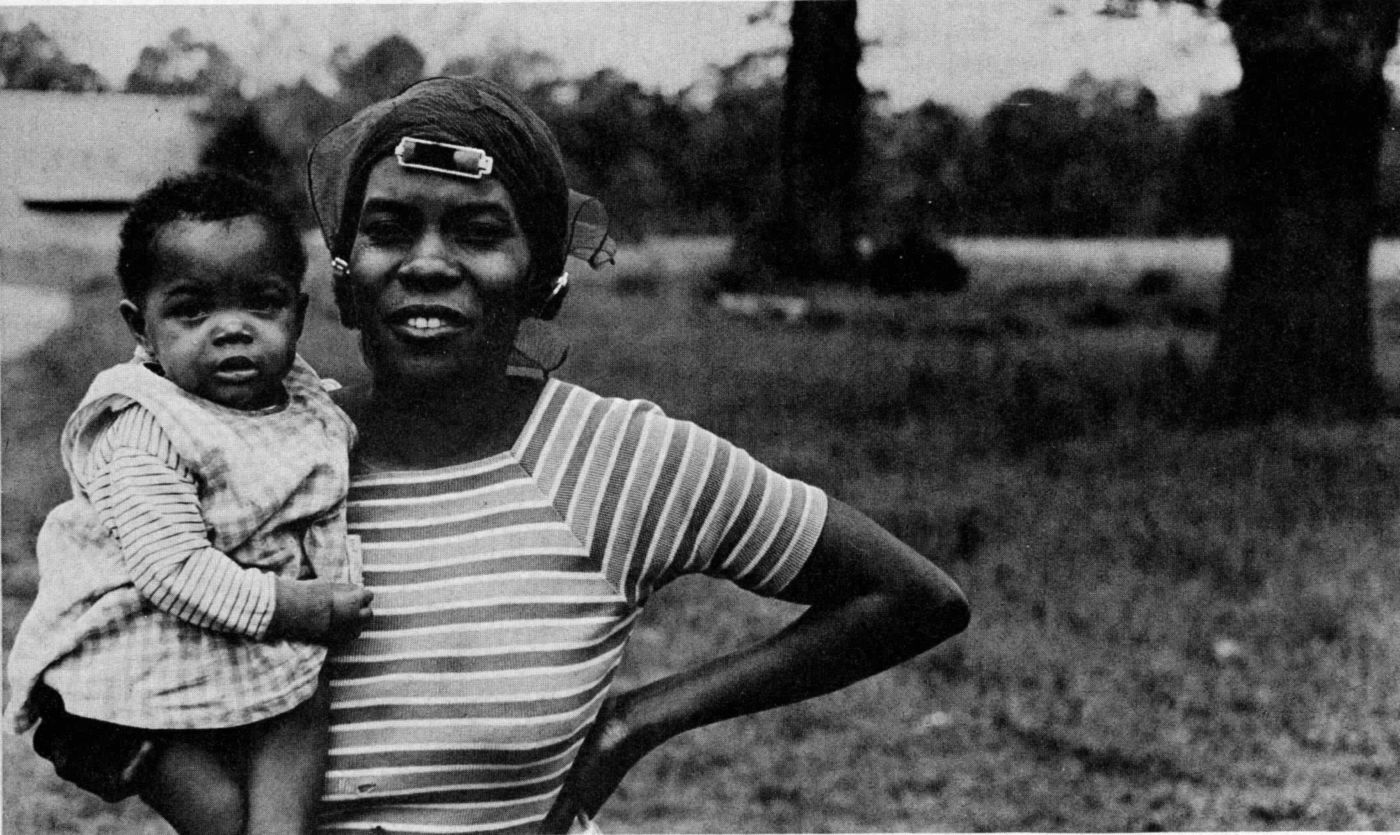
Mrs. Daniels: It is very much needed in Lee County because the parents that do have a little job are not able to pay anybody to see about their children, and nine times out of ten they have to keep an older child home to see about the little child. About the time the older child gets 15 years old he will stop going to school because he is behind everybody else.
Mrs. Mack: The day care center is needed because its so many womens that don’t have a husband, they’re on welfare, and they would rather make a decent livin themselves. There are some women that keep the child out today, and another one out (of school) tomorrow to look after the younger children. There are a lot of children that go to school two days out of the week, and they may as well not go.
Mrs. Sneed: The day care center is needed because generally black mothers leave their children with some of the relatives, sometimes they leave them home with some of the other small kids. But, I don’t want to think thats a healthy way to leave your children because so much can happen.
What are some other things that are needed to help New Communities grow?
Mrs. Daniels: Industry, light industry would be a great boost to New Communities and to Lee County as a whole. There would need to be a job training program with the industry because most of the peoples is unskilled labor.
We also need medical services. There is no medical services in Lee County. You have to go into Albany if you want to see a doctor.
Mr. Christian: I feel that if we can get better housing, some type of housing program on New Communities, we can get more people to come to us. Housing is one of the most critical things that we face right now. Housing will get people on the land, and housing will instill in people the idea of having a home and caring for it. I think when you get into this type of situation, you get people to change their entire attitude about life, they begin to do a lot of things differently.
We are also looking toward industrial development on New Communities. We have talked about the industrialization of peanuts to the extent of making some type of peanut products, packaging peanuts, peanut brittle, candies of some sort.
Robert McClary: Financing. We have been in financial difficulty from the inception of New Communities because poor people have no money, and it takes money to run the farm and to pay people who are now working on a voluntary basis.
Mrs. Barney: We need doctors. We have to drive into Albany to the doctor which is 30 miles. If we had doctors here and our own health clinic here we wouldn’t have to do that. (the doctor’ offices in Albany are segregated and a center of indignity to blacks.)
We also need industry that would give our peoples who don’t have any experience at all a chance to get experience and training. We could set up training programs and train our own people to be independent.
Mrs. Sneed: What would really make New Communities better is a grocery store. We have to go to Albany to get our groceries now. Also a service station, doctors and nurses.
Mr. Lockett: Housing: If that develops, there a lot of people that would probably like to live in New Communities, and even if they don’t have employment on New Communities, they would like their own place to stay and feel like the whole thing belongs to them.
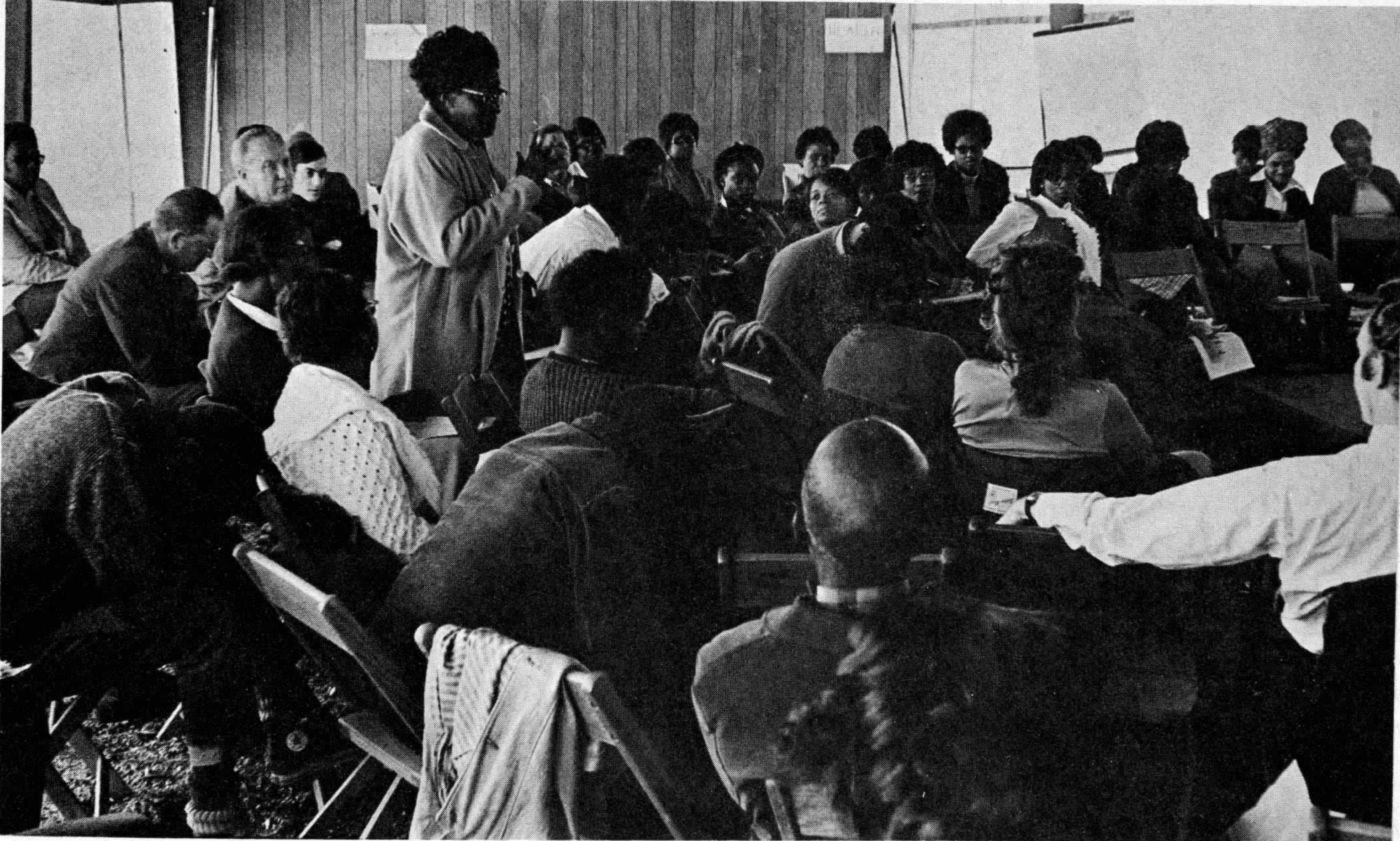
What are some of the social-economic ideas that New Communities has?
Mrs. Daniels: There are new ideas about sharing income. I think it is a good idea to learn to share, and to think of the next person’s needs. Because in society now, if a person has a business and he makes $1 million, and you are working for $30 a week, he never thinks about well maybe we could give a little bonus or something like that. We was hopin that people on New Communities will make about the same salary.
Mr. Christian: New Communities is the type program that will have a sharing type return on whatever profits we realize from the land. We would have these profits returned to the land. The settlers themselves will tell us if they feel we should invest these returns into the improvement of the land, or if they would have us divide these profits into shares for the settlers; they will more or less tell us what they want done with the income from the land. I’m hopeful that everyone will continually look forward and we will invest incomes in the development of the land.
The most important new idea of New Communities is the possibility for the settlers themselves helping to determine their destiny; they can really tell the Board of Directors or the Steering Committee the type things they would like to see done and the type things they would like to have. Now, I don’t know of any other farmer or sharecropper in this part who can really tell his boss what he wants to do or what he wants done on the farm. When a person can help plan his destiny, he can better know what he wants out of life.
Robert McClary: I suppose there will be differences in income based on how enterprising a person will be. Of course, I envision that there will be minimum living standards that will be humane and good for all the people. We will not look at people as being productive the way the system looks at people as being productive, but will guarantee them a minimum living standard for whatever they can contribute.
Is there a difference between a person owning a home and a small piece of land, and a person living on New Communities?
Mr. Christian: Yes, in the sense that a person having a small piece of land and a house on that land looses that sense of togetherness. When you have little small groups of people buying houses and living off by themselves, you have a division even amongst people. This is not what we are looking for; we are looking for that togetherness type situation where we don’t own anything and own everything.
Mr. Lockett: The difference is that a man on New Communities will have the governing power, he will be in the decision making. If you’ve got a house in New Communities, you will be able to say what goes in and what goes out. Rather than to have a little acre of land out there and thats about all. On New Communities, if there is something going on that I don’t like, I can say something about it. It makes a man feel a little bit higher.
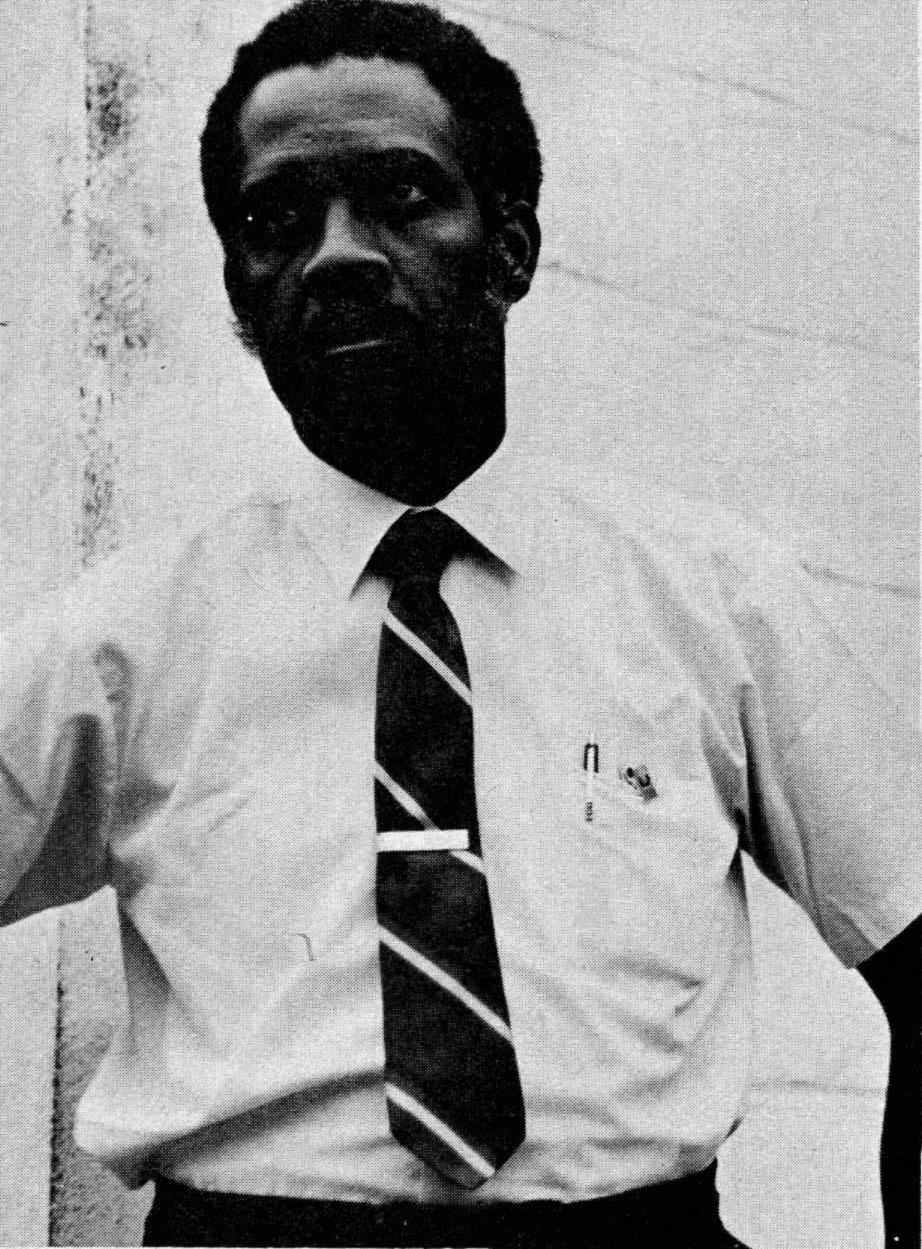
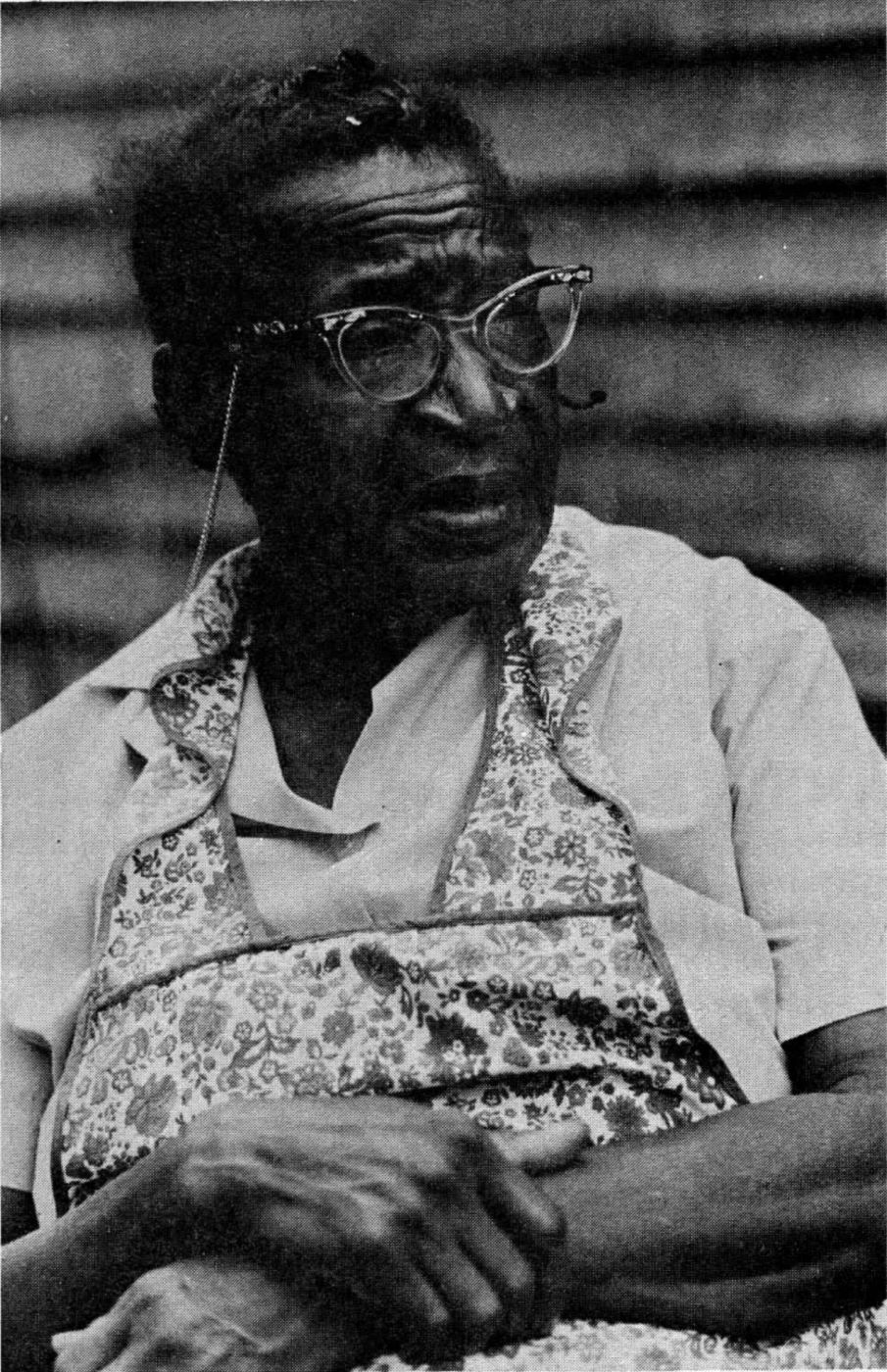
Who will govern or control New Communities once it gets going?
Mrs. Daniels: We hope that the people will control and govern New Communities, because we think the people in New Communities will know more about their needs than a person from the outside. For example, as a whole, a person that sits in the office and makes out food stamps and things like that, has never been hungry a day in his life and doesn’t know anything about it. We hope the people who live there will own the land and have the last say about what goes on in New Communities.
Mr. Christian: We feel that the settlers themselves should be the ones to govern the community, the people that are actually living on the land. As the community develops, the settlers on the land will move into the position of operation and of policy making pertaining to their life. People will have a chance to chart their own course and be able to do the things they want to do and the way they want to do it. This is something that is unheard of. We have never had the opportunity to really do the things that we have wanted to do ourselves; we have more or less been following the patterns and dictates of other people.
Robert McClary: The land will be jointly owned by the people as a cooperative group. This is good because then no one would be able to take the land and exploit one another—we are trying to get away from that. It will be a people oriented society, and not be something where people are falling over one another to get what they can. It will be a cooperative venture for the good of all.
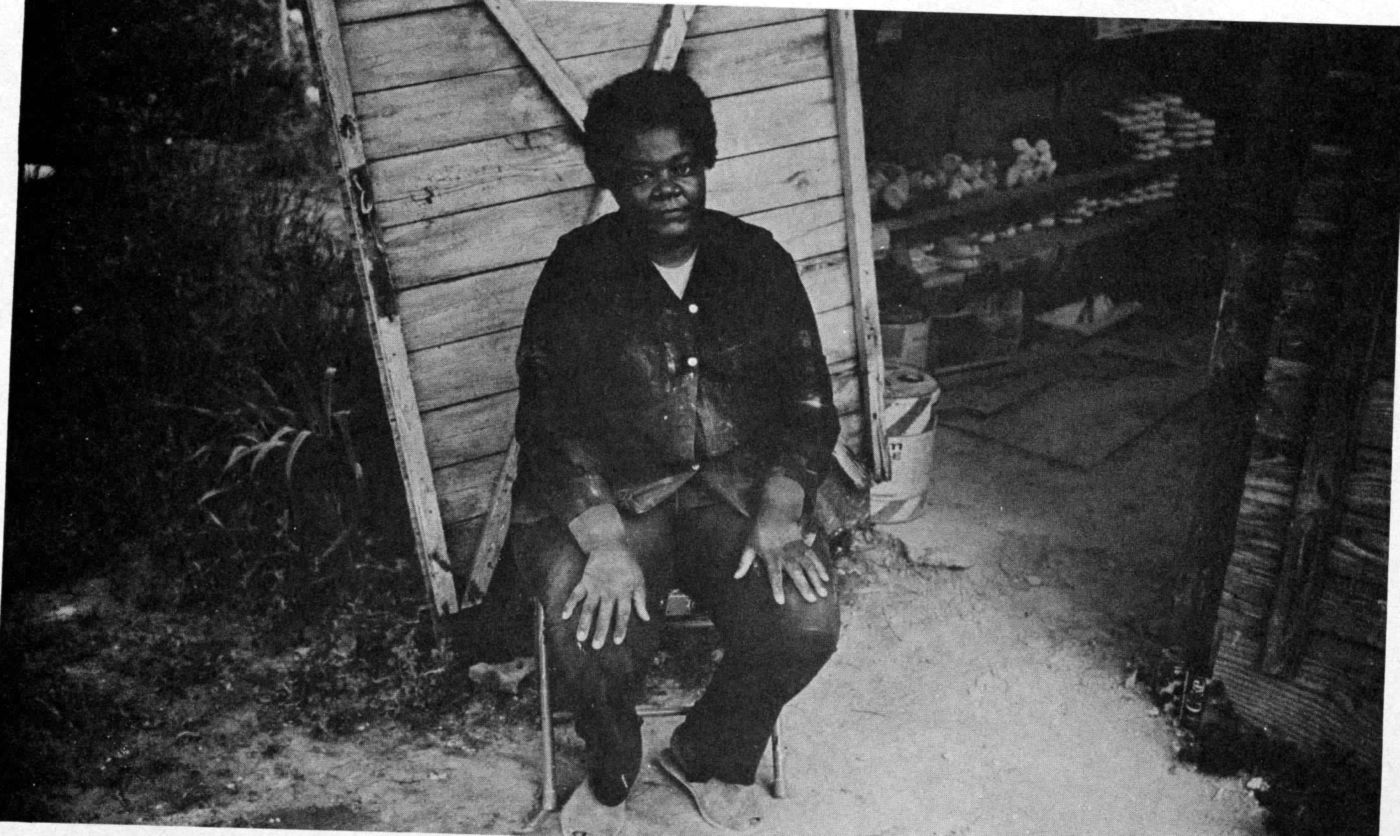
There has been opposition to New Communities from some people. What are some of the reasons for this opposition?
Mr. Christian: I certainly feel that we are being suppressed so to speak because we feel like, as well as the people that are trying to suppress us, that with land, the possession of land, we become more independent. We have something that is ours and we can do with it what we want to; we control land, we control the activities that go on on the land, and to a great degree our destiny here. We can tell our leaders what we want to do on our land, what we expect of them and we don’t have to worry about it. We can really demand this.
We are talking about something like 6500 acres of land. This is a large piece of land and it is a large chance that we have here and it is what we have been looking for, and certainly, I’m hopeful with the struggling that we are doing that we will be able to really come into possession of this land so it can become our own. Like anything else that is new, we are having some problems, but I think we will overcome these because we are real dedicated here and are going to keep trying.
Another reason we are receiving opposition is a result of the concept of togetherness. I feel that when we can really come together and be together as a group, this is the most frightening thing that you have ever seen to the people locally because they know that we are in groups, we are stronger, and certainly we can do more and get more done.
Mrs. Mack: Some people don’t want us to survive because with all this land, there will be a time that we won’t have to beg somebody to do the things that need to be done, cause we can get it done, and they know that and they don’t want it to happen.
Mrs. Barney: Opposition is coming from white people who don’t want us to have nothin. I guess he has his own reason for not wantin us to have nothin. And I just feel like that we have been maids and things for so long that they just don’t want us to have our freedom.
Mr. Lockett: When you start controlling a large amount of anything that is valuable, then you are going to have obstacles. With such a strip of land, no one around this area wants to see you work such a large strip of land. So, naturally, any time you have this OEO deal, if its got to come down through channels, if its got to be approved at each channel, well, we won’t ever get no financial help.
Mrs. Lovette: Anyway they can now, they try to stop New Communities. Like when I went to have my income tax fixed, I told this woman that was fixing up the income tax that I donated New Communities $20 back in 1970. It stopped the typewriter. She just quit and asked, “What is New Communities,” I said, “Its a place in Lee County, a big place, its goin off of what peoples donate, and everyone that donates something, its a help to New Communities.” Anytime you mention New Communities to white folks, it just stops the discussion goin on. We went down to the vocational school in Albany, somebody mentioned New Communities and the teacher just quit her subject and wanted to know all about New Communities. She said, “someday I might want to live on New Communities,” which I know was not true. I don’t know what it does to them when they (white folks) hear about New Communities, but I love New Communities.