Video Type CLT Roots

New Communities and Community Land Trusts in Movements for Black Lives, Land and Liberation
Video thumbnail: New Communities and Community Land Trusts in Movements for Black Lives, Land and Liberation

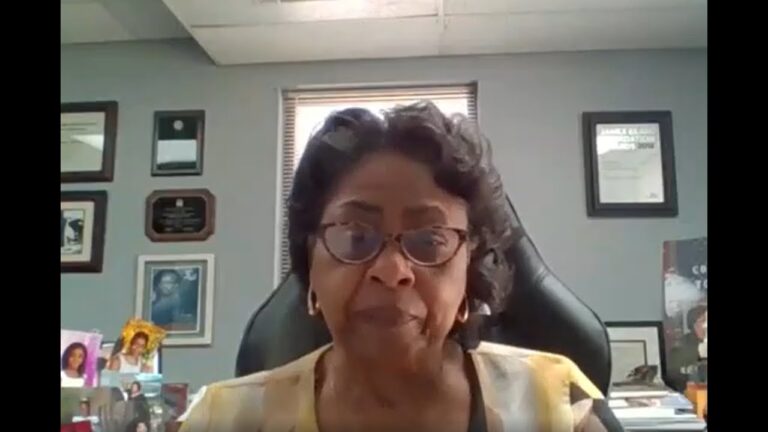
The LISC Institute hosted a conversation with Shirley Sherrod and community land trust leaders from Baltimore, Houston, New York City, and Seattle, reflecting on how CLTs can help combat Black land loss and displacement, build community wealth, and strengthen community health and care, and the support needed to scale and sustain this work over multiple generations.
Roots of the CLT – Chapter 1

Video thumbnail: Roots of the CLT – Chapter 1

This chapter provides a general introduction to what has come to be known in the United States as the “classic CLT.” Described here are those characteristics of ownership, organization, and operation that distinguish the CLT from more familiar models of affordable housing and community development.

Roots of the CLT – Chapter 2

Video thumbnail: Roots of the CLT – Chapter 2

This chapter examines ideas, pioneers, and precedents behind the CLT’s distinctive approach to the OWNERSHIP of land and buildings, including the model’s roots in the single tax movement of Henry George, the Garden Cities of England, and intentional communities in the United States inspired by Ralph Borsodi and Arthur Morgan.

Roots of the CLT – Chapter 3

Video thumbnail: Roots of the CLT – Chapter 3

This chapter introduces the people who put the “C” in the CLT, giving rise to the model’s distinctive approach to ORGANIZATION: its roots in the Civil Rights Movement in the American South and the Gramdan Movement in India, with profiles of the men and women behind the first CLT, New Communities Inc.

Roots of the CLT – Chapter 4

Video thumbnail: Roots of the CLT – Chapter 4

The final chapter traces the changing meaning of the “T” in CLT, as the OPERATION of community land trusts became increasingly focused in the 1980s on serving the poor, revitalizing urban neighborhoods, and preserving the affordability, condition, and security of resale-restricted, owner-occupied housing.